

You’ll get the most bang for your buck by picking a tier that balances price, library size, and multiplayer access. Core costs $10 for 30+ titles and online play, while Standard at $15 unlocks hundreds of games. PC Pass at $12 adds EA Play and day‑one releases, and Ultimate—$20‑$30—bundles everything plus cloud gaming. Bigger catalogs lower your cost‑per‑game, and cross‑platform perks boost flexibility. Keep an eye on duplicate titles across services to avoid wasteful overlap, and you’ll see when pausing or canceling makes sense. The next sections break down each option in detail.
Core Evaluation Criteria for Multiplayer Subscription Services

How do you decide which multiplayer subscription truly delivers value? You start by checking online multiplayer access and online play eligibility—some tiers bundle it, others charge extra. Next, compare catalog size and game library freshness; larger, constantly updated libraries beat static ones. Day One titles add instant appeal, while cross‑platform support and cloud gaming boost flexibility across devices. Weigh price-to-value through tiered pricing, noting that Core or Essential plans cost less but limit titles, whereas premium tiers unlock bigger catalogs and streaming. Factor in regional pricing differences, as rates and naming conventions vary by market. Finally, balance these elements to see which service aligns with your gaming habits and budget. Grip Accessories
Cost‑Per‑Game Breakdown for Multiplayer Subscription Services
After weighing the criteria that define value, the next step is to translate those factors into a concrete cost‑per‑game metric. You’ll find Xbox Game Pass Core at $10/month offers online multiplayer and a modest library size of 30+ titles, giving a higher cost-per-game than larger plans. Standard (Console) at $15/month expands the library to hundreds, dropping the per‑title price as you play more multiplayer games. PC Game Pass at $12/month mirrors Core for PC, and EA Play integration further stretches the cost across day‑one multiplayer releases. Ultimate, priced at $20 (or $30 in some markets), bundles Core, Standard, and PC Game Pass with Cloud Gaming, pushing the library past 500 games and slashing the cost‑per‑game dramatically. Budget options like these can be compared alongside durable, value-driven strategies such as selecting drives with higher endurance for long-term use, which increases reliability and can reduce maintenance costs over time. This value breakdown shows how library size directly influences your multiplayer subscription expense.
Tier‑Selection Guide for Multiplayer Subscription Services
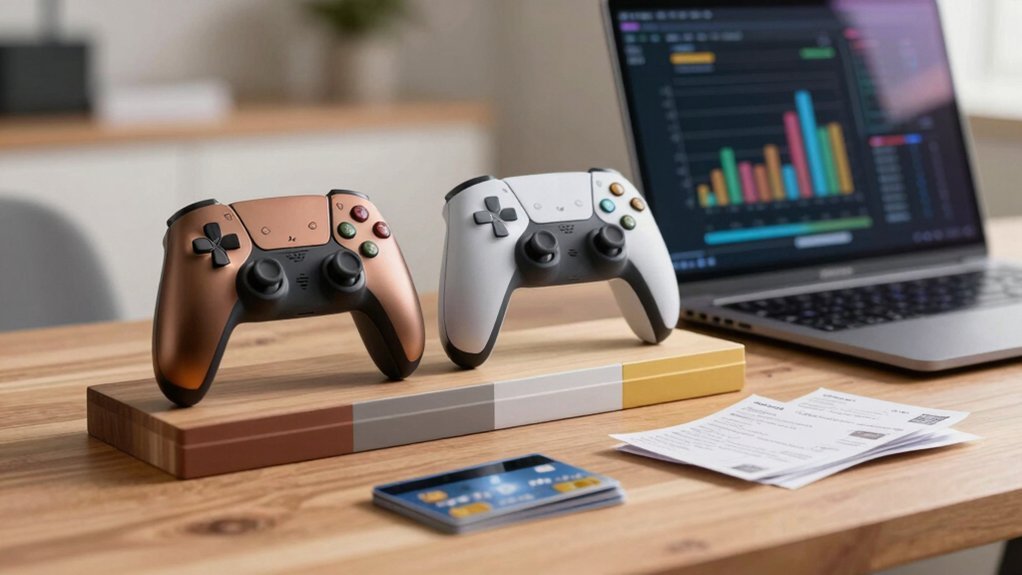
Choosing the right tier hinges on how many multiplayer titles you actually play and which platform features matter most to you. You’ll compare online multiplayer access, pricing, library size, and cross‑platform perks to pick the sweet spot. Budget gaming motherboard guidance and upgrade paths can inform long-term value when pairing a subscription with a rig, especially if you plan to upgrade components in the coming years. Future CPU upgrade path considerations from budget motherboard guidance can influence how you budget for a subscription over multiple console generation cycles.
| Platform | Tier | Key Benefits |
|---|---|---|
| PlayStation | PS Plus Extra | 400+ games, online multiplayer |
| PlayStation | PS Plus Premium | Classics, cloud gaming, cross‑platform |
| Xbox | Game Pass Core | 30+ rotating games, online multiplayer |
| Xbox | Ultimate | Full library, cloud gaming, cross‑platform |
If you only need basic online multiplayer, the $10/mo Game Pass Core or PS Plus Essential cover you. Want a larger library and cloud gaming? PS Plus Premium at $18/mo or Xbox Game Pass Ultimate at $20/mo deliver the most value. Balance pricing against the library of games you’ll actually use.
Duplicate‑Purchase Audit for Multiplayer Subscription Services
Ever wondered if you’re paying twice for the same games across your multiplayer subscriptions? A quick subscription audit can expose library overlap between Game Pass and Ubisoft, reveal duplicate access to Day One titles, and flag cross‑platform or cloud gaming redundancies. By tracking monthly costs—Core $10, Standard $15, PC $12, Ultimate $20‑30—you quantify waste and drive cost optimization. Library overlap insight helps you identify where overlaps occur across services, guiding smarter cancellations. – Identify games that appear in both Game Pass and Ubisoft+ catalogs, especially Day One releases.
Audit your Game Pass and Ubisoft+ subscriptions to spot overlapping titles and eliminate duplicate costs.
- Compare tier pricing and cloud gaming entitlements to spot duplicate access.
- Consolidate or cancel plans where library overlap inflates your bill.
Doing this lets you cut unnecessary fees and keep only the services that truly expand your multiplayer experience.
Should You Skip a Subscription? When Cancellation Beats Subscription?
Is it smarter to let a subscription lapse when you only need a game for a few weeks? If you rarely play online multiplayer or only need a few months of access, you can cancel after finishing a single title and protect your budget. Treat Game Pass like a rental service: pause or skip subscription between big releases, then re‑subscribe for day‑one titles. Large catalogs—Xbox Game Pass, PlayStation Plus Extra/Premium—offer price/value through frequent catalog rotations, so skipping months with few new games still saves money. Track upcoming first‑party drops and rotation schedules to nail cancellation timing. When you primarily enjoy single‑player or owned games, the online multiplayer perk may not justify ongoing fees, making cancellation the smarter move for the best multiplayer services USB-C PD 20W.
Frequently Asked Questions
What Is the Best Game Subscription Service?
You should pick Game Pass Ultimate because it gives you day‑one releases, massive cross‑platform library, cloud streaming, and EA Play—all for a single monthly fee that outpaces other services.
What Is the No. 1 Multiplayer Game?
You’ll find Fortnite holds the top spot, boasting the highest concurrent and monthly active player counts across consoles, PC, and mobile, thanks to its constant updates, cross‑play, and live events.
What Is the Difference Between PS Plus Tiers?
You get online play and two free games with Essential; Extra adds a 400‑title catalog for $14.99 /mo; Premium tops that with retro titles, cloud streaming, and trials for $17.99 /mo.
What Are the Big 3 Gaming Companies?
You’ll find the big three gaming companies are Sony, Microsoft, and Nintendo. Each runs its own console ecosystem—PlayStation, Xbox, and Switch—offering distinct subscription services, online multiplayer, and exclusive game libraries.
In Summary
You’ve weighed cost, game variety, and tier perks, so you know which subscription fits your budget and play style. If the numbers line up and you’re getting the titles you actually use, stick with it. If the overlap’s thin or the price feels steep, cancel and buy games individually. The key is matching what you play to what you pay—nothing more, nothing less.


