
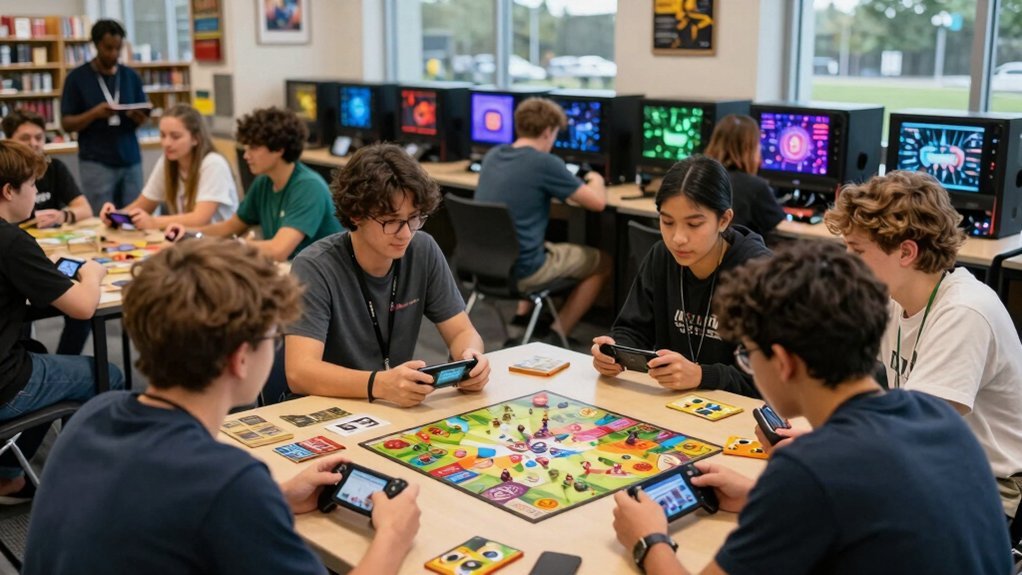
You can boost teen engagement with five proven library gaming programs: a weekly tabletop night using boards and dice, a budget‑friendly escape‑room built from cardboard and index cards, a rotating series of multiplayer video‑game tournaments on consoles, a themed game‑design workshop, and a collaborative digital‑gaming club using free online platforms. Each program includes clear setup steps, low‑cost equipment lists, and simple metrics to track attendance and satisfaction. Keep reading to discover how to match these formats to your space and teen interests.
Choose the Right Game Format for Your Teen Library Gaming Program
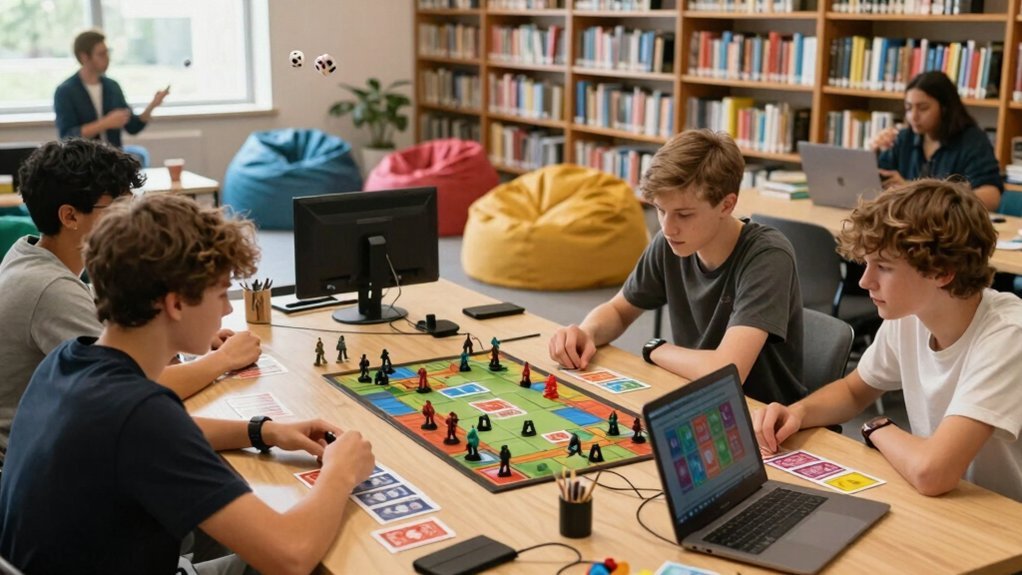
Choosing the right game format is the first step to a successful teen library gaming program, and you’ll find three clear pathways—tabletop, video‑game, and live‑action—each with its own cost, equipment list, and step‑by‑step guide in Elyssa Kroski’s *52 Ready‑to‑Use Gaming Programs*. You’ll see how Ready-to-use gaming programs let you match game formats to teens’ interests and your library’s space. Device Compatibility Tabletop options need minimal tech, just a few boards and dice, while video‑game setups require consoles, headphones, and a reliable network. Live‑action formats call for props, costumes, and flexible room layouts. The book breaks down budgets, age ranges, and follow‑up ideas, so you can plan a program that scales from a single session to a season‑long series, keeping teens engaged and returning.
Launch a Board‑Game Night for a Teen Library Gaming Program
How can you turn a quiet library corner into a buzzing teen hub? Start by scheduling a weekly board game night with multiple tables, each stocked with well‑known titles. Create a clear program structure that outlines age ranges, materials, and step‑by‑step instructions so staff can set up quickly and repeat the event. Emphasize inclusive gaming by assigning mentors to guide newcomers, fostering a safe, collaborative atmosphere rather than cut‑throat competition. Rotate games regularly, introducing newer or thematic options to keep interest high. Collect feedback from teens and parents after each session, then tweak the setup to balance cooperation and enjoyment. By following this simple, repeatable format, teen libraries can transform a modest space into a vibrant social hub. Inclusive gaming
Create an Escape‑Room Experience on a Tight Budget for a Teen Library Gaming Program
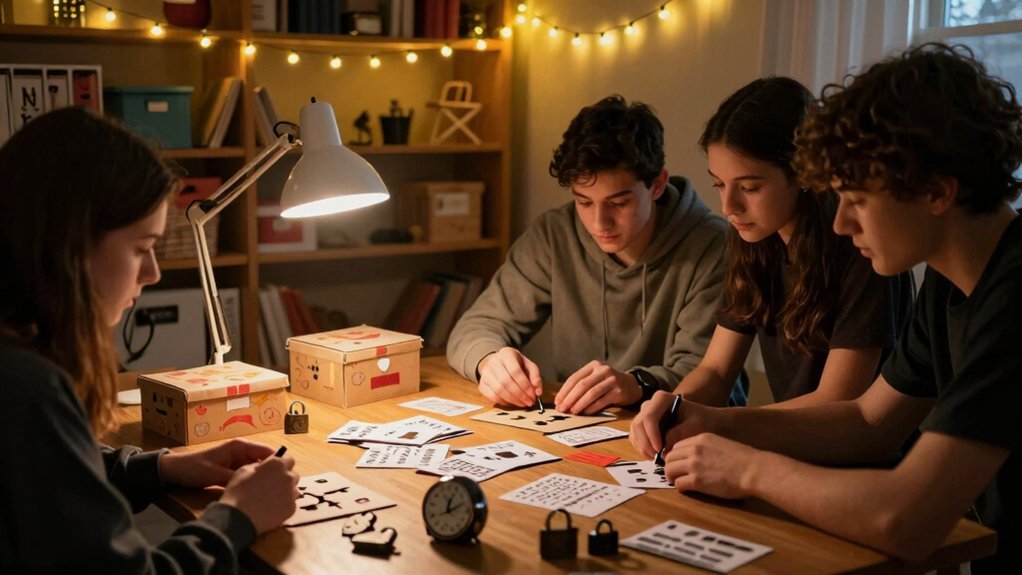
Ever wondered how to turn a modest library corner into an adrenaline‑pumping escape‑room without breaking the bank? Start by mapping a simple two‑part clue chain: a location hint leads to a “murder” clue, then unlocks the next station. Use cardboard, index cards, and repurposed shelves for props; a free Google Doc can host the clue flow and track progress. Keep each puzzle bite‑sized so teens stay engaged, and test the sequence to eliminate dead ends. Pre‑plan for a few hours, then set up stations in a quiet nook of the library. Emphasize collaboration by mixing easy entry points with a few challenging riddles. This DIY escape rooms approach stays budget-friendly, sparks excitement, and gives teens a memorable, hands‑on adventure. location hints
Host a Weekly Multiplayer Video‑Game Tournament in a Small Library Room for a Teen Library Gaming Program
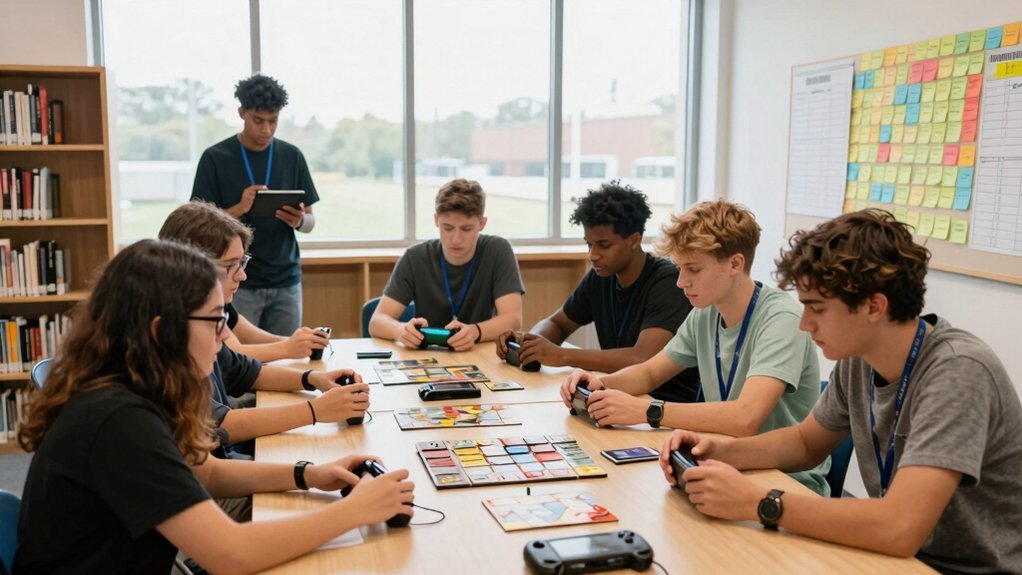
Curious about turning a modest library room into a buzzing arena for teens? You can launch weekly tournaments that fit a small library space, using multiplayer video games that keep the energy high and the competition friendly. Pick age‑appropriate titles, set up rotating stations so multiple teams can play without crowding, and schedule a consistent day each week to build anticipation. Staff or volunteers should supervise, enforce rules, and suggest a next‑offer activity so the excitement continues after the final match. With clear equipment lists and step‑by‑step instructions, you’ll create a focused yet social hub for teen gaming. For durability during setup and transport, consider budget portable SSDs to store game assets and ensure quick load times across devices portable SSDs and keep cables organized for smooth rotating play. Rotate consoles or PCs every 15 minutes
- Use a simple bracket system posted on a whiteboard
- Offer a quick snack break and a “next‑game” suggestion after each round
Measure Success of Your Teen Library Gaming Program With Simple Metrics and Feedback Loops
Track attendance, participation, and repeat visits, then pair those numbers with a brief three‑question survey to gauge enjoyment, learning, and future interest. Use simple engagement metrics like session‑by‑session headcounts, active participant tallies, and repeat‑participant rates to spot trends. After each game night, hand out a quick three‑question form—how much they enjoyed it, what they learned, and whether they’d return. That creates a lean feedback loop feeding directly into your library programs. Log qualitative notes on teamwork, social interaction, and sustained involvement, as reported by teens and facilitators. Conduct a monthly review, match data to goals such as skill development or new game exploration, and tweak offerings. Share anonymized results with stakeholders to justify budget, space, and program variety decisions. Also consider tracking the durability and ease of setup of activities to inform future space planning and equipment choices non-slip safety features and how these factors influence participant comfort and safety during sessions.
Frequently Asked Questions
How Can I Involve Parents Without Disrupting Teen Autonomy?
Invite parents to co‑plan events, share progress updates, and offer optional workshops,so they stay informed while you preserve teens’ decision‑making space and keep the program’s autonomy intact.
What Insurance Is Required for In‑Person Gaming Events?
You’ll need general liability coverage, plus event‑specific insurance for property damage, participant injury, and equipment loss. If minors attend, add personal accident and waivers, and verify the venue’s existing policies.
How Do I Handle Noisy or Disruptive Participants Effectively?
You set clear expectations, give gentle warnings, and use a calm tone. If they persist, briefly pause the game, address the behavior privately, and enforce agreed‑upon consequences to maintain a respectful environment.
Can I Integrate School Curricula Into Gaming Sessions?
Yes, you can weave school curricula into gaming sessions by aligning game objectives with lesson goals, designing quests that reinforce concepts, and using in‑game assessments to track progress while keeping teens engaged.
What Are the Best Ways to Market the Program to Shy Teens?
Focus on low‑pressure events, showcase relatable role models, use social media teasers, offer small group sessions, let teens choose games, highlight collaborative quests, and provide gentle, non‑competitive challenges that build confidence.
In Summary
By picking the right format, you’ll keep teens engaged and coming back for more. A board‑game night sparks social interaction, while a budget‑friendly escape room fuels creativity. Weekly video‑game tournaments add friendly competition, and simple metrics let you track what works. Mix these elements, stay flexible, and watch your teen library gaming program thrive.


