

You’ll notice that digital games skip master discs, packaging, printing, and manuals, cutting up‑front manufacturing costs, while physical copies need shelving, protective cases, and occasional disc or manual replacements. Digital files shift energy use to data‑center power and console standby, which can be higher for large titles (16‑50 GB) compared to the low‑energy footprint of a disc. Licensing, DRM, and delistings create hidden long‑term access risks for digital, whereas physical media avoid platform lock‑in but face degradation. Balancing these factors helps you choose the most cost‑effective preservation strategy, and the next sections will show you how.
Digital Up‑Front Preservation Costs Compared to Physical
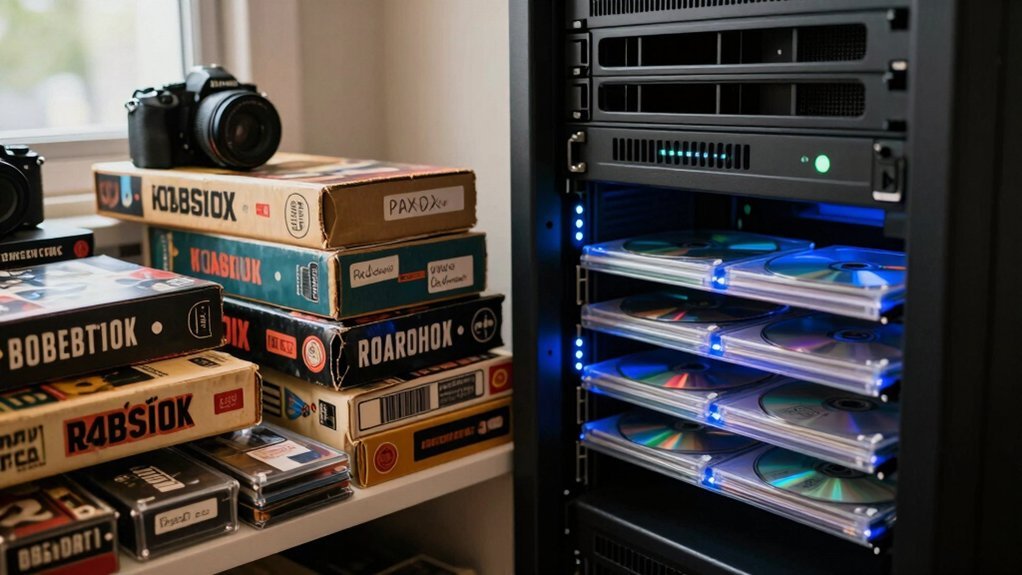
How much do you really spend before a game even hits the market? You face digital up-front preservation costs that often undercut physical media expenses. For small titles you skip master discs, packaging and printing, and manuals, slashing production costs dramatically. Additionally, VR preservation practices emphasize ensuring lenses and optics stay clear and functional, which parallels the need to maintain consistent accessibility of digital content stability of access. Large games—16 GB to 50 GB—raise those digital costs, yet modern data transfer energy and efficient hardware can offset the bulk of physical shipping emissions. A centralized online repository lets you push updates and re-downloads, boosting preservation accessibility while avoiding multiple physical copies. Still, you must watch delistings and license changes; they can create hidden long-term expenses to keep the title reachable. Digital distribution thus trims early outlays but demands vigilance over future access.
Physical Long‑Term Storage Costs vs. Digital Maintenance
After cutting those upfront digital expenses, the real budget test shifts to how you keep a game alive for years. Physical storage costs add up as you buy shelving, protective cases, and replace damaged discs or manuals; each refurbishment drags on your wallet. Platform stability and hardware longevity remain crucial factors, especially for long-standing titles and Low-cost storage strategies. Digital libraries require the platform to stay online and avoid licensing end or platform de‑listing. If the service vanishes, you lose the game entirely, whereas a well‑kept physical collection can survive beyond a single server’s lifespan.
Energy Trade‑Offs: Digital Downloads vs. Physical Disc Production

When you download a game instead of buying a disc, you cut the energy spent on manufacturing, printing, and shipping physical media, but you shift the burden to data‑center power and the console’s standby draw.
Digital downloads eliminate the manufacturing footprint of physical disc production and reduce distribution energy, yet they add server‑side energy consumption that scales with game sizes.
For titles under 8.8 GB, the trade‑off favors digital, while larger 16–50 GB releases may tip the balance toward disc because the console’s standby energy—now as low as 5.5 W on modern hardware—remains modest.
If you fully shut down the console, standby energy drops below 1 W, further lowering preservation costs.
Ultimately, hardware efficiency and how you manage standby versus active download determine the net energy trade‑offs.
A key consideration to note is the impact of standby energy on long‑term preservation costs.
Legal Risks That Raise Digital Preservation Costs
Energy savings from cutting disc production don’t guarantee long‑term access, because legal frameworks dictate whether a digital title stays available. You’ll find that licensing agreements and DRM can turn a simple download into a costly preservation nightmare. When a publisher pulls a game, withdrawal risk spikes, and you may lose access despite paying. The EU Consumer Rights Directive forces digital storefronts to keep titles downloadable, but only if they’re not labeled limited‑time, so you must track each contract. In the US, weaker consumer protection means you shoulder more uncertainty, and cross‑buy features add layers of compliance. All of this inflates digital preservation costs and threatens account‑based access. 5.1 Dolby Atmos
Choosing the Most Cost‑Effective Digital vs. Physical Preservation Strategy
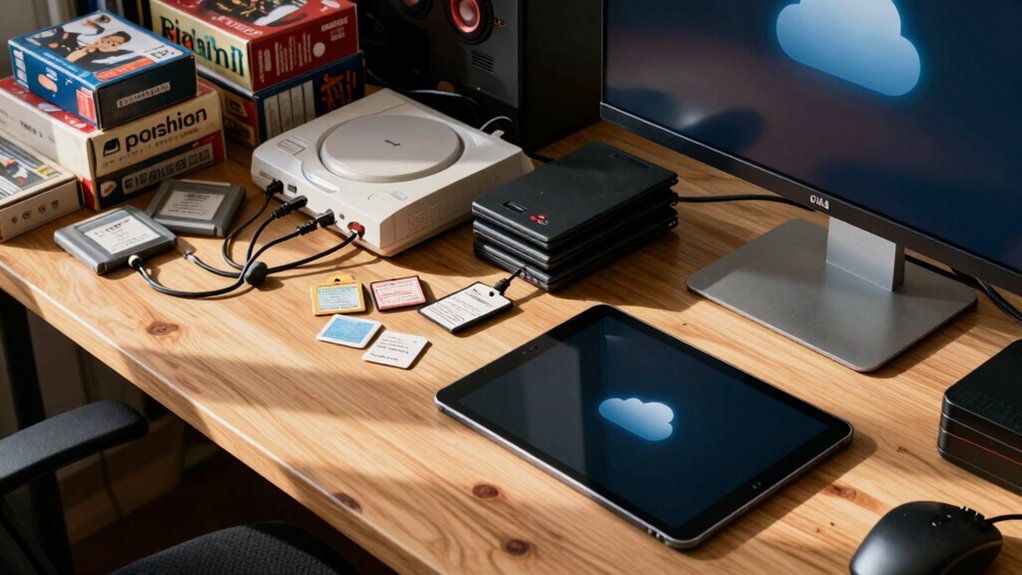
What’s the smartest way to keep your game collection affordable while ensuring long‑term access? Compare digital preservation costs to physical preservation costs by weighing lifecycle cost, access risk, and platform dependencies. Digital purchases eliminate packaging and shipping, let you use cloud backups, and offer instant re‑downloadability, but they can incur subscription fees, licensing limitations, and de‑listing risk. Physical media incurs storage and degradation concerns, requires hardware upkeep, and may have a higher environmental impact for large titles, yet it avoids platform lock‑in. For games under 9 GB, digital is usually cheaper and greener; for 16‑50 GB titles, physical may lower lifecycle cost despite storage needs. Choose the strategy that balances your budget, environmental impact, and long‑term access risk. Long‑term affordability considerations influence both digital and physical preservation strategies as outlined above.
Frequently Asked Questions
What Is the 20 20 20 Rule for Gaming?
You take a 20‑second break every 20 minutes of gaming, then step away for a 20‑minute outdoor activity. This micro‑pause eases eye strain, while the longer break counters sedentary habits and boosts overall health.
What Is the #1 Most Sold Console?
You’ll see the PlayStation 2 holds the crown, selling over 155 million units worldwide. It outpaces the Nintendo DS family and newer consoles, making it the clear #1 best‑selling console to date.
Why Do ADHD People Love Gaming?
You love gaming because fast, ever‑changing digital worlds give you constant novelty, quick rewards, and low‑effort entry, keeping your attention hooked and satisfying your need for frequent, stimulating feedback.
Are 51% of Gamers Female?
You can’t confirm that 51% of gamers are female from the given material; it lacks any demographic data, so you’d need external, to verify that claim accurately.
In Summary
In the end, you’ll find that digital preservation usually demands higher upfront investment in infrastructure and legal compliance, while physical storage incurs ongoing costs for space, climate control, and media degradation. We weighing these trade‑offs, consider your budget, the lifespan you need, and the environmental impact of each option. By matching the strategy to your specific goals, you can minimize total preservation expenses without sacrificing accessibility or longevity.


