
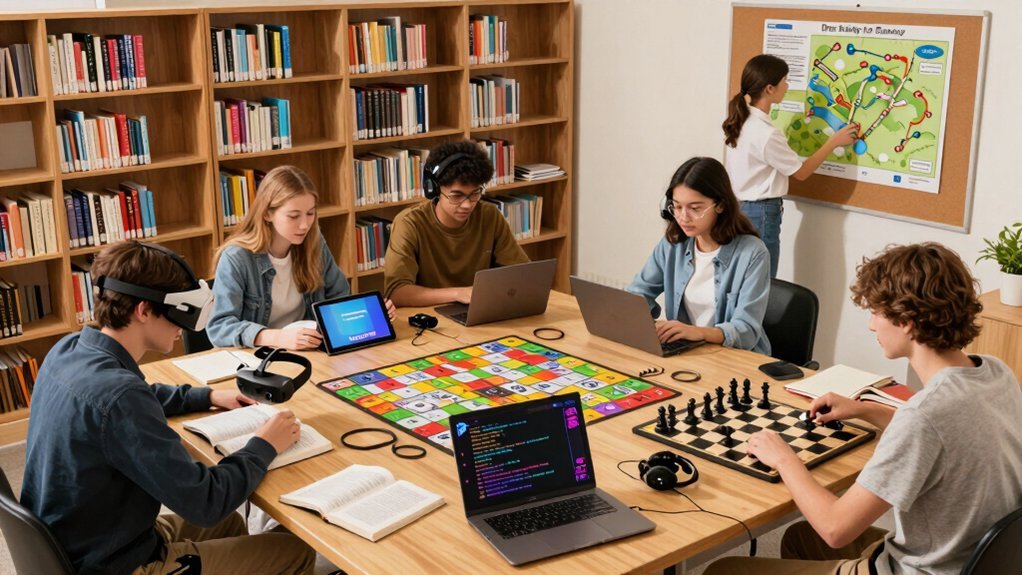
You can turn your library into a learning hub with seven gaming programs that boost literacy, critical thinking, teamwork, and digital skills. Host a board‑game literacy night where narrative‑rich games link to curated booklists. Set up a low‑cost escape‑room that teaches source evaluation and citation. Run a DIY tabletop RPG to spark creative writing. Use free digital platforms for critical‑thinking workshops with real‑time analytics. Launch community‑sourced game‑design challenges for information literacy. Organize a pop‑up esports night to develop communication, data analysis, and collaborative skills. Keep exploring to discover how each program can transform student learning.
Why Gaming Boosts Library Literacy Programs
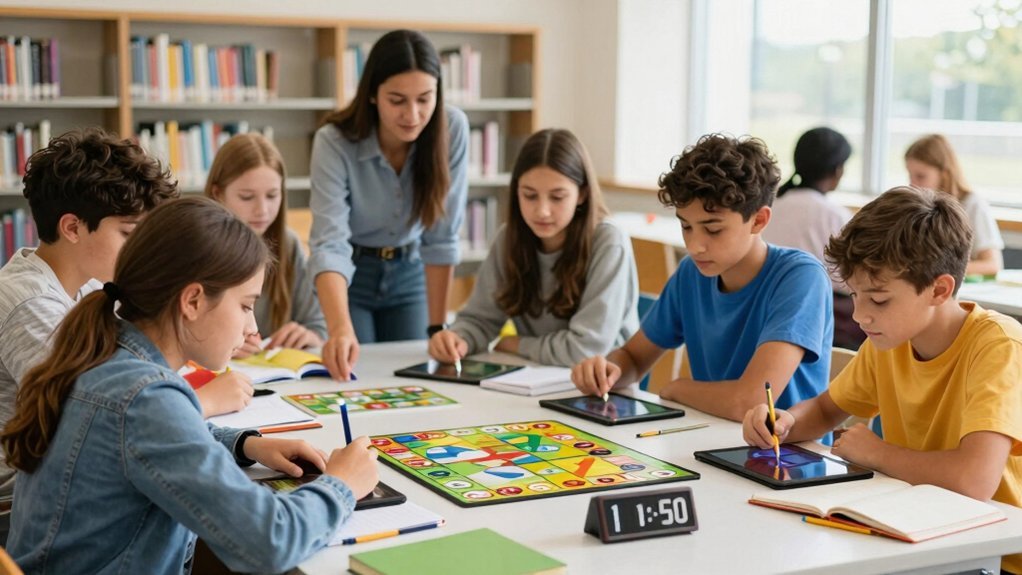
Gamers can also benefit from ergonomic, durable footrests that support long study or play sessions, helping maintain focus and reduce fatigue and strain. ergonomic support Gaming boosts library literacy programs by turning reading into an immersive, interactive experience that mirrors the narrative pull of video games. You see how video games draw you into stories, so you start hunting the same plot threads in books, boosting reading speed and confidence. When you navigate on‑screen dialogue and peripheral text, you practice decoding unfamiliar words, sharpening information literacy skills that transfer to research tasks. Libraries can showcase game‑based booklists, linking quest lore to classic novels, and you’ll notice reluctant readers becoming enthusiastic participants.
Gamified instruction invites active participation, turning passive consumption into problem-solving and critical thinking. By framing learning as a quest, libraries foster empathy, communication, and workforce‑ready competencies—all while keeping you engaged and motivated.
Host a Board‑Game Literacy Night for Library Gaming Programs
You can start by picking games that naturally tie into books or themes you want to highlight, then set up simple stations that let players see the connections. Include a variety of gameplay styles to keep the evening engaging for all ages and reading levels. Best Touch Control
Game Night Strategies
One effective way to spark reluctant readers is to host a board‑game literacy night that blends tabletop fun with targeted reading goals. You’ll want to design a clear schedule: start with a brief intro, then rotate stations where participants play different board games while a facilitator ties each mechanic to a literacy objective. Use visual cues—color‑coded cards, timers, and instruction sheets—to keep flow smooth. Invite a local game designer for a short talk, then let families try a role‑playing scenario that encourages note‑taking and character analysis. Pair each game with a curated booklist displayed nearby, and offer snack workshops that double as informal discussion circles. Keep the space flexible, so teens can lead a round, and ensure every activity links back to your library’s broader “Level Up” theme. The event can also incorporate a review session where participants reflect on how game mechanics mirror plot progression and character development, reinforcing reading comprehension in a playful context site-based programming.
Literacy‑Focused Game Selection
Looking for games that turn a night of play into a reading boost? Choose board games and role‑playing games whose narratives are rich with text. Set up tables with copy‑, rules, story cards, and character sheets, then invite readers advisors to point out related books and non‑traditional texts. Use on‑screen dialogue and peripheral text to expose players to new vocabulary and boost reading speed. Pair each game with a themed booklist displayed on a nearby shelf, letting the game’s setting guide patrons to matching novels or graphic novels. After play, encourage participants to write short reviews, blog posts, or fan fiction, extending literacy motivation beyond the session. Even without a formal collection, you can borrow games, use low‑tech formats, and partner with community groups to keep the focus on games and literacy. Bookish narratives can be integrated into game sessions to further tie storytelling to literacy development.
Community Engagement Tips
After exploring game‑rich selections that boost reading, shift focus to turning that excitement into a community event. You’ll host a board‑game literacy night that pulls families, students, and local partners into a lively space where play meets reading. Set up themed book displays, invite school designers for quick talks, and blend high‑ and low‑tech options to keep the vibe inclusive. Use trivia, family rounds, and role‑playing demos to spark conversation and deepen community engagement. Promote the night through flyers, social media, and partner newsletters, highlighting how each game ties back to literacy goals and library resources. Game‑themed book display to connect games to texts. Design talk to share real‑world skills. Family game round for inclusive fun. Trivia quiz to reinforce literacy. Role‑play demo to encourage creative storytelling. Best Monitor Integration
Create a Low‑Cost Escape‑Room Challenge for Library Gaming Programs
How can you turn a library’s gaming program into a thrilling, low-cost escape-room that sharpens research and critical-thinking skills? Start with a simple narrative—maybe a missing manuscript—and map out three stations. Use pencils, paper clues, and printable puzzles you can print on ordinary cardstock. Each station tasks players with an information-literacy challenge: locate a source in the catalog, evaluate its credibility, then cite a key fact to unlock the next lock. Set a 45-minute timer and assign a volunteer facilitator to hand out clue cards. Partner with nearby colleges for puzzle ideas and extra hands. After the game, debrief by linking each puzzle to real-world research steps. Capture feedback with a brief survey to measure engagement and problem-solving growth. A budget-conscious option is to reuse printables from prior programs and adapt them with simple clue variations information literacy.
Run a DIY Table‑Top Role‑Playing Session for Creative Writing
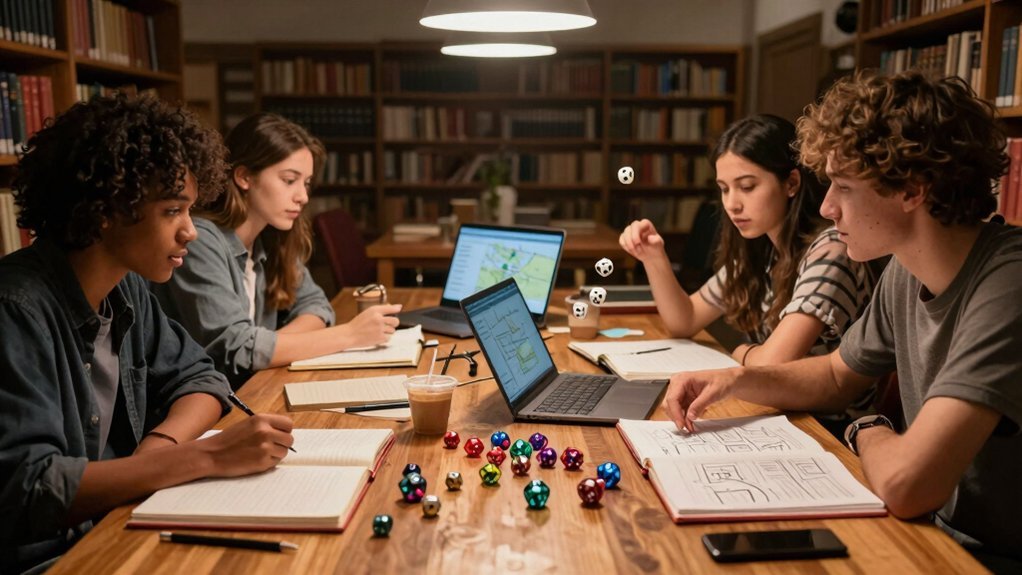
Ever wondered how a simple tabletop game can ignite your students’ creative writing? You can set up a DIY role‑playing session in the library using cheap dice, index cards, and a basic rule sheet. Start with a prompt, hand out character sheets, and let the group improvise scenes that become story drafts. Rotate the narrative focus each round, then collect the notes for peer feedback and revision. The hands‑on format builds world‑building, voice, and plot structure while keeping the atmosphere fun and collaborative.
| Phase | Tool | Outcome |
|---|---|---|
| Warm‑up | Prompt cards | Spark ideas |
| Play | Dice & character sheets | Generate scenes |
| Draft | Notebook | Write first draft |
| Revise | Peer notes | Polish story |
Use Free Digital Platforms for Critical‑Thinking Workshops in Library Gaming Programs
When you tap into free digital platforms, you can run critical‑thinking workshops that blend seamlessly with library gaming programs. You’ll use open‑access board‑game simulators, web‑based debate apps, and free LMS spaces to spark problem‑solving, argumentation, and evidence evaluation. These tools keep costs low while scaling activities that support game‑based learning objectives.
Real‑time analytics let you see how participants reason, so you can intervene, offer feedback, and track skill growth. Incorporate evidence‑based prompts, game‑modification templates, and peer‑review rubrics to focus on source evaluation, logical reasoning, and collaborative decision‑making. By leveraging online collaboration tools, you create dynamic, data‑driven sessions that reinforce critical thinking without expensive hardware.
Launch Community‑Sourced Game‑Design Projects for Information Literacy
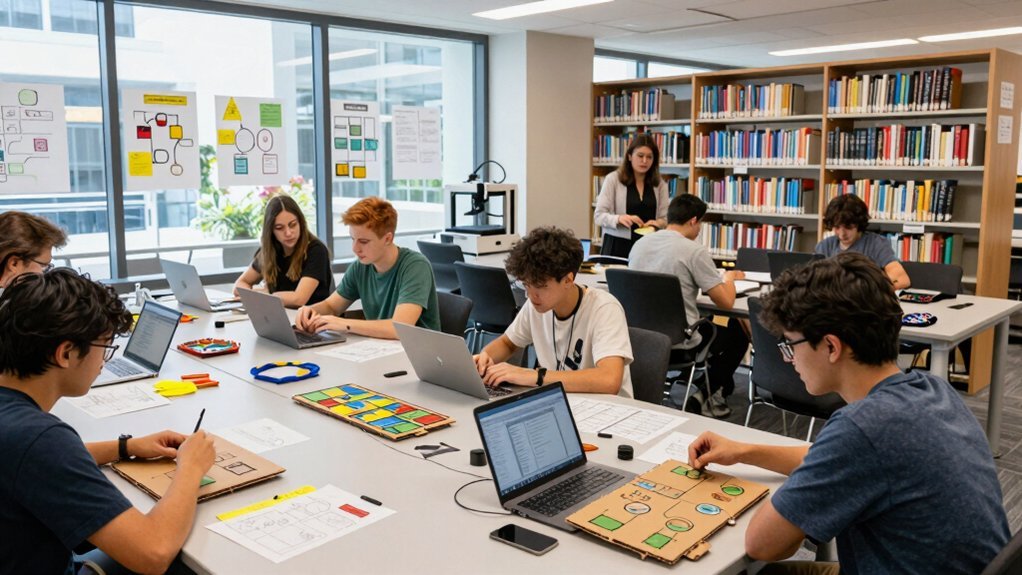
You’ll start by issuing sourced design challenges that let participants research real topics and storyboard their ideas together.
Then you’ll run collaborative research storyboarding sessions where teams map source evaluation, bias spotting, and evidence gathering into gameplay mechanics.
Finally, you’ll host gamified citation workshops that turn proper referencing into a fun, competitive activity.
Incorporating budget-friendly microphone stands can also support multiple speakers during these sessions, with stable bases and non-slip feet helping to keep devices and participants steady during live demonstrations multi-pack.
Sourced Design Challenges
How can you turn a library’s information‑literacy goals into a hands‑on, creative experience? You launch design challenges that invite patrons to prototype games teaching source evaluation, citation practices, and ethical use. By partnering with local educators and makerspaces, you give participants access to , software, and testing rigs. Each challenge aligns with core information literacy outcomes, so teams must embed credible‑source identification and documentation into gameplay mechanics.
Public displays and launch events showcase the resulting games, reinforcing digital, visual, and textual literacy through narrative design. You capture learning impact with pre‑ and post‑reflections, user‑testing metrics, and alignment checks against literacy standards, then feed those insights into the next round of challenges. This cycle fuels continuous improvement and community ownership.
Collaborative Research Storyboarding
Collaboration sparks the bridge between community curiosity and information‑literacy skills, so you can kick off a library‑wide game‑design project by guiding participants through a shared storyboarding process.
You start by gathering students as co‑creators, asking them to translate real research questions into game mechanics, prompts, and narrative beats.
Use storyboarding to scaffold each phase: research planning, source evaluation, summarization, and ethical use, linking each skill to a concrete gameplay goal.
Pull in library collections and partner guidelines—like ALA gamification tips and National Literacy Trust insights—to enrich content and ensure accessibility.
Align milestones with program objectives, such as prototype displays, feedback sessions, and an evaluation plan measuring motivation, critical thinking, and collaboration.
This structured, community‑sourced approach turns abstract information‑literacy concepts into engaging, playable experiences.
Gamified Citation Workshops
After storyboarding research questions into game mechanics, you can turn those same ideas into a gamified citation workshop that lets students practice source evaluation and citation formatting through interactive challenges. You’ll launch community‑sourced design projects, inviting participants to sketch mechanics that reward identifying credible sources, applying APA or MLA rules, and justifying choices. Points, levels, and instant feedback drive gamification, so learners see progress and stay motivated. As ideas accumulate, a shared repository of citation challenges and visual tools emerges, ready for future sessions. Students gain faster, more accurate source recognition, deeper information‑literacy insight, and a habit of best‑practice citation in their academic writing.
Organize a Pop‑Up Esports Night to Build Teamwork and Data Skills in Library Gaming Programs
A few simple steps can turn a library’s spare room into a pop‑up esports night that sharpens teamwork and data‑analysis skills. First, survey teen gaming interests and set up a basic console or PC station. Choose short cooperative matches, then hold a quick debrief where participants chart communication patterns and performance stats. Use a simple spreadsheet to log win‑loss ratios, role assignments, and decision‑making timestamps—this builds data skills while reinforcing teamwork. Partner with local tech firms or NASEF for equipment donations and guest speakers. Reward progress with “Level Up” badges that recognize strategic thinking, problem‑solving, and technology literacy. Keep the momentum alive with exhibit days and portfolio workshops.
| Phase | Focus |
|---|---|
| Setup | Survey interests, install gear |
| Play | Cooperative matches, real‑time chat |
| Debrief | Log data, discuss strategy |
| Reflect | Create resumes, earn badges |
Frequently Asked Questions
How Do We Evaluate Learning Outcomes From Gaming Activities?
You evaluate learning outcomes by setting clear objectives, tracking in‑game metrics, administering pre‑ and post‑tests, gathering reflective journals, and analyzing performance data to see skill gains and knowledge retention.
What Age Groups Benefit Most From Each Type of Library Game?
You’ll see preschool kids thriving on simple puzzles, elementary students excelling with educational board games, middle‑schoolers engaging deeply in strategy and coding games, and high‑schoolers mastering complex simulations and collaborative challenges.
How Can We Secure Funding for Game Materials and Technology?
Apply for grants, pitch sponsors, and launch crowdfunding. Show impact data, align with curriculum standards, and offer naming rights. Leverage community partnerships, volunteer expertise, and in‑kind donations to stretch every dollar.
What Accessibility Accommodations Are Needed for Inclusive Game Sessions?
You should provide screen‑reader compatible interfaces, adjustable font sizes, alternative input devices, color‑blind palettes, subtitles, and quiet zones, plus staff trained to assist diverse abilities during every game session.
How Can We Train Volunteers to Facilitate Game-Based Learning Effectively?
You should give volunteers hands‑on workshops, role‑play scenarios, clear lesson‑plan templates, and quick‑reference guides; then let them practice, receive feedback, and adjust their facilitation techniques constantly.
In Summary
By weaving games into your library’s offerings, you’ll spark curiosity, boost critical thinking, and strengthen community ties. Whether you’re hosting a board‑game night, a DIY escape room, or an esports tournament, each activity fuels literacy and digital fluency. Embrace these low‑cost, high‑impact ideas, watch engagement soar, and empower students to learn through play—turning your library into a vibrant hub of discovery and collaboration.


