
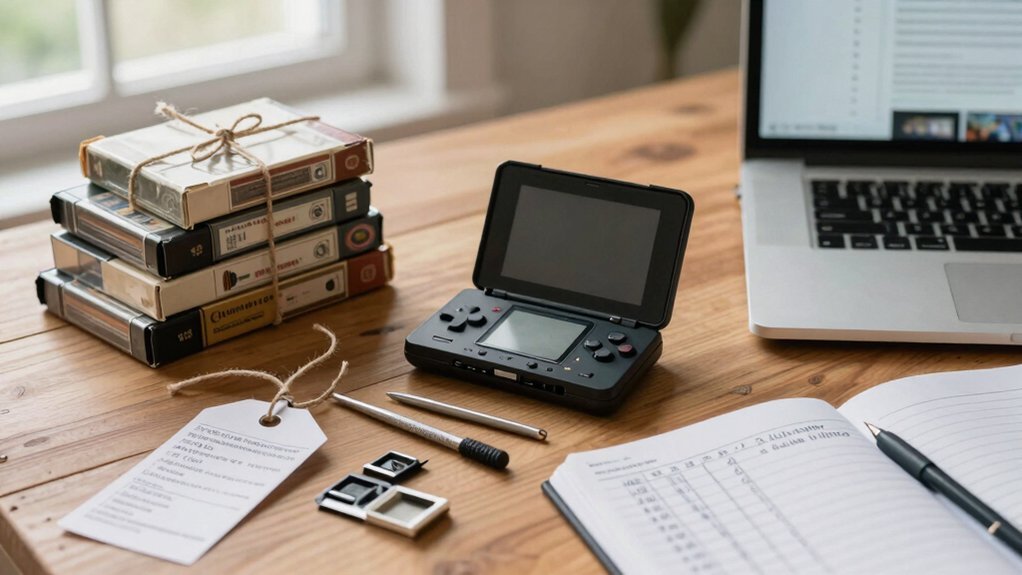
Build a tight wishlist of only the games and consoles that truly excite you, then prune anything that loses its spark to avoid impulse buys. Use price‑tracking sites like IsThereAnyDeal and PriceCharting to watch historic prices, and only purchase when the item drops to a clear‑value range—usually $15‑$40 for used titles. Finally, swap with the community on local boards or marketplaces, trading items you no longer need for pieces that fit your list and stretch your budget. Keep these habits and you’ll discover even more ways to save.
Create a Retro Gaming Wishlist & Dodge Impulse Buys

Ever wonder why your retro‑gaming budget evaporates so quickly? You can stop it by building a focused wishlist. List only the games and consoles that truly excite you, and prune anything that loses its spark. When an item appears, check its price tracking history on sites like PriceCharting or IsThereAnyDeal before you click “buy.” If the price is still high, delay the purchase and let the market settle; this gives you time to reassess its long‑term value. Enforce impulse control with a simple rule: no buy unless the item is on your wishlist and offers clear value. Prioritize lasting appeal or unique mechanics over flashy branding, and you’ll keep spending aligned with your retro gaming goals. Long‑term value matters as you weigh whether a purchase fits your wishlist and budget.
Track Retro Gaming Prices & Hunt for Deals
After narrowing your wishlist, the next step is to keep a close eye on prices and pounce when deals appear. Use price‑tracking sites like IsThereAnyDeal.com and PriceCharting.com to spot dips and time purchases for the best discounts on retro games and consoles. Keep a trimmed wishlist and prune items you no longer want, preventing impulse buys. Scan the used‑market—yard sales, Facebook Marketplace, LetGo—for titles that sell for $15–$40, far below box price. Leverage seasonal sales such as Black Friday and retailer memberships that add credits or extra discounts. Be patient with rare titles; waiting for a price drop can turn a costly grail into an affordable pick. This disciplined approach maximizes savings while you build your collection, and consider noting the USB-C PD and charging considerations when organizing your retro gear USB-C Power to ensure you’re charging devices safely and efficiently.
Swap With the Community for Low‑Cost Alternatives
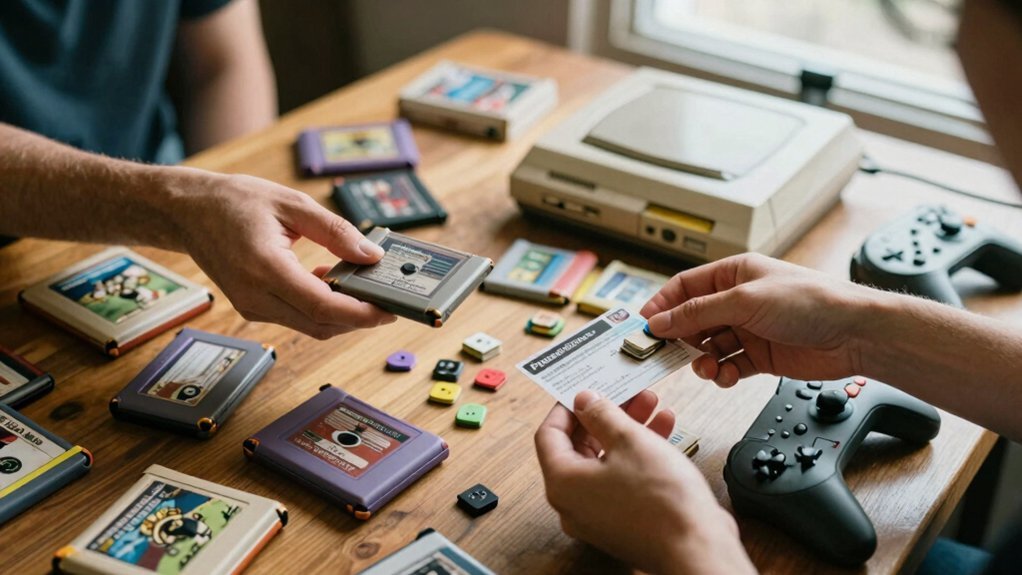
Looking to stretch your retro collection without breaking the bank? You can swap with the community to boost your library at little or no cost. Start by listing games and retro consoles you no longer need on local boards, Facebook Marketplace, or LetGo. Reach out with a clear wishlist and propose fair trades; this focused approach keeps your budget gaming goals on track.
Attend organized swap events or collectible shows where you can trade multiple titles at once, maximizing the items you receive per transaction. Prioritize pieces that complement what you already own, avoiding novelty clutter. By staying selective and communicating openly, you’ll turn each swap into a strategic upgrade rather than a random purchase. non-conflict keys
Frequently Asked Questions
How to Save on Retro Gamer?
You save on retro gaming by tracking prices, setting a wishlist, buying used or trading, avoiding rare chases, timing sales, and skipping untested crowdfunding until they drop.
How to Make Money From Retro Gaming?
You’ll profit by listing unwanted consoles and games on local marketplaces, tracking price trends with sites like PriceCharting, bundling items for higher perceived value, and timing sales around holidays and Black Friday.
Are Retro Consoles a Good Investment?
Yes, retro consoles can be solid investments if you pick high‑demand models with extensive libraries, keep them in good condition, and watch market trends—especially after new releases drop prices.
How to Avoid Wasting Money on Video Games?
You avoid wasting money on video games by setting a clear budget, researching reviews, waiting for sales, buying only titles you’ll actually play, and regularly pruning your wishlist to keep impulse purchases in check.
In Summary
By staying organized, hunting for deals, and swapping with fellow gamers, you’ll keep your retro collection growing without breaking the bank. Stick to your wishlist, set price alerts, and tap into community trades to snag low‑cost alternatives. With these habits, you’ll enjoy classic games while saving money, proving that nostalgia doesn’t have to come with a hefty price tag.


