
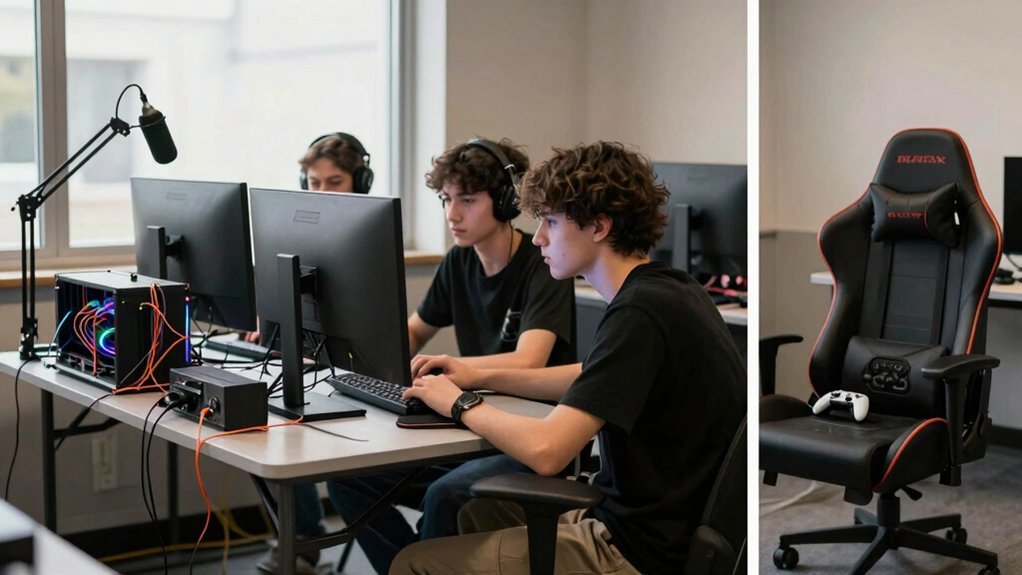
Turn a student center or lounge into your arena so you can use existing power, networking, seating, and keep per‑station gear under $3 K. Secure sponsorships from local tech firms or gaming brands to cover venue fees, equipment rentals, and streaming costs, offering logo placement and shout‑outs in return. Recruit volunteers from clubs and alumni, and run the event with free software like Battlefy or Discord. Keep these strategies in mind and you’ll discover even more cost‑saving tactics.
Reuse Campus Spaces for College Gaming Tournament Venues
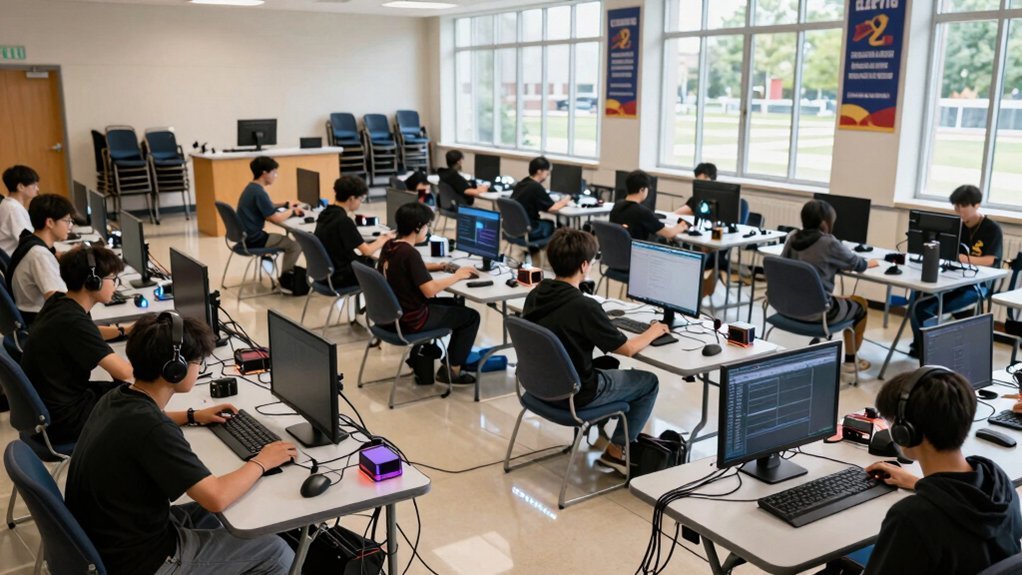
Turn a student center or multi‑purpose lounge into your tournament arena? You can cut costs dramatically by repurposing campus spaces that already have power, networking, and seating. Instead of building a dedicated hall, you’ll use existing furniture and Wi‑Fi, keeping per‑station equipment expenses between $2,000 and $3,000. Portable chairs and modular tables let you shift the setup from a lounge to a classroom for the next event, maximizing flexibility without extra construction. Plan your tournament venues around the expected flow of participants, so each area stays busy and efficient. Future‑proof your back‑end infrastructure—add extra routers or power strips now, and you won’t need to hunt for new spaces as the tournament grows. This strategic repurposing saves money, time, and campus resources. You can also design the space with proper cable management and labeled zones to support quick refreshes between rounds, improving efficiency venue planning.
Leverage Sponsorships – How to Pitch Colleges for Funding and In‑Kind Support
A solid sponsorship strategy starts with aligning your tournament’s goals to the interests of local businesses, tech firms, and gaming brands, turning them into steady sources of cash and in‑kind support. Pitch colleges by framing esports as a revenue‑diversification tool that boosts student recruitment and community engagement. Highlight how sponsorships can cover venue fees, equipment rentals, and streaming costs while in‑kind support supplies gear, snacks, and volunteer staff. Offer tiered packages—logo placement, branded merch, and live‑stream shout‑outs—to maximize visibility. Leverage alumni networks and Chambers of Commerce for partnerships that bring internships and media coverage. Diamond sponsorships can provide full event sponsorship plus a scholarship fund, reinforcing long‑term student support and growth. Onboard controls and stability features from budget‑friendly mic kits can inspire confidence in tech‑savvy sponsors about professional execution and reliable equipment for streams and demos.
Run a College Gaming Tournament With Volunteers and Free Tournament Software
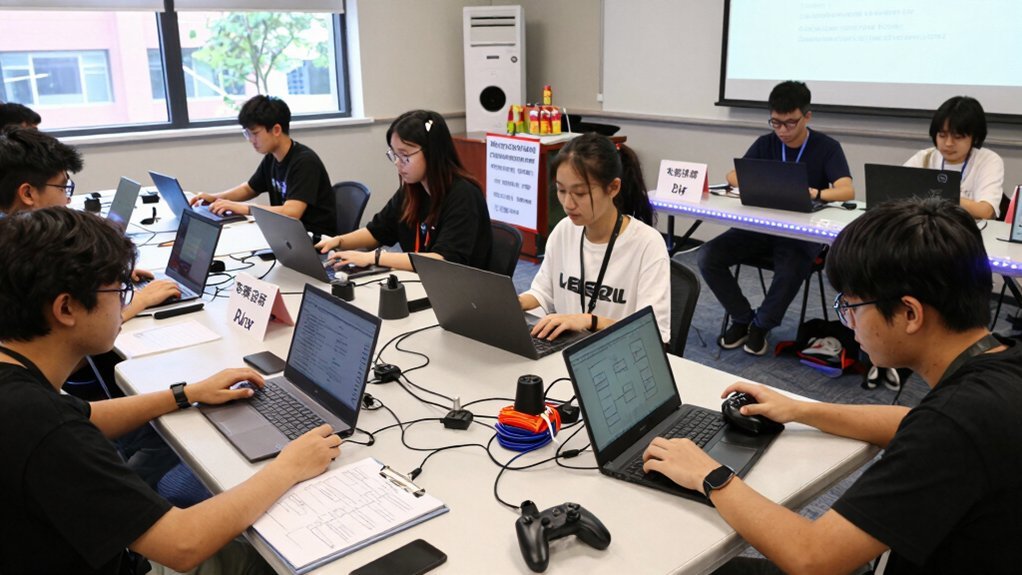
Looking to cut costs while still delivering a high‑energy esports showdown? You can run a college gaming tournament using volunteers and free tournament software. Recruit volunteers from student clubs, alumni networks, and local community groups to handle check‑in, bracket updates, streaming, and on‑site support, slashing personnel expenses. Choose free tournament software like Battlefy or Discord‑based systems to manage registrations, brackets, and scheduling without licensing fees. Pair this lean staffing with sponsorships that provide hardware, venue space, or refreshments as in‑kind donations, keeping cash outlay low. Host the event in a multi‑purpose classroom or lounge, using portable gear to avoid dedicated arena costs. Start small, test processes, then scale up as you refine the volunteer‑run model. Volunteer coordination helps ensure smooth operations and ongoing engagement for future events.
Frequently Asked Questions
Do You Need a License to Host a Gaming Tournament?
Yes, you’ll need a license if your tournament involves sizable prize pools, entry fees, or public venues—check local regulations and consult a lawyer to confirm the specific permits required for your event.
Do Gaming Tournaments Make Money?
You can profit from gaming tournaments if you balance entry fees, sponsorships, and merch sales, but you’ll need strong partners and careful budgeting; otherwise costs often outweigh revenue, especially for smaller campus events.
How to Make Money Hosting Video Game Tournaments?
You’ll earn money by charging entry fees, selling merch, securing sponsors, streaming for ad revenue, offering food and beverage commissions, and licensing broadcast rights, all while keeping overhead low through digital platforms.
Are There College Scholarships for Gaming?
Yes, many colleges now offer esports scholarships. You can apply through the school’s athletic department or scholarship office, often needing a resume, gaming résumé, and academic transcripts to qualify.
In Summary
By reusing campus spaces, securing sponsorships, and tapping into volunteers with free software, you’ll slash costs while still delivering a top‑tier gaming tournament. These three strategies let you stretch every dollar, keep the event sustainable, and give students an unforgettable competitive experience—all without breaking the bank.


Leave a Reply