
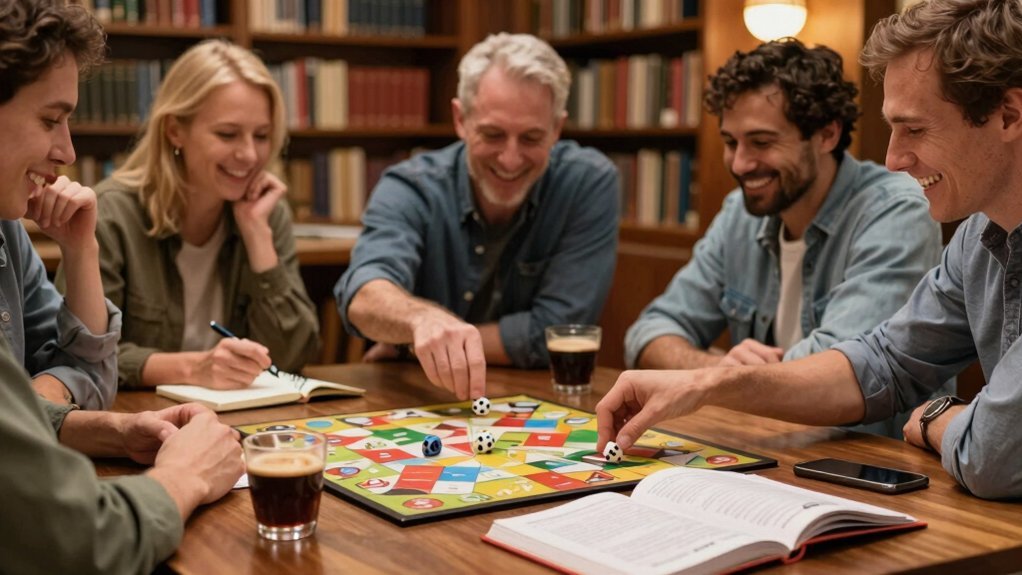
Set clear goals and share ownership so everyone knows the purpose and can contribute ideas. Keep the schedule flexible—offer a weekend night and a weekday slot, and use a simple online RSVP or open‑door sign‑up. Adopt a consent‑first code of conduct that welcomes newcomers, outlines etiquette, and lets anyone opt‑in to host or teach. Facilitate gently with short, easy‑to‑learn games, rotate teachers, and provide cheat sheets to balance skill levels and noise. Celebrate progress with a visible board, shout‑outs, and small perks; keep reading to discover more details.
Set Clear Expectations for Library Tabletop Sessions
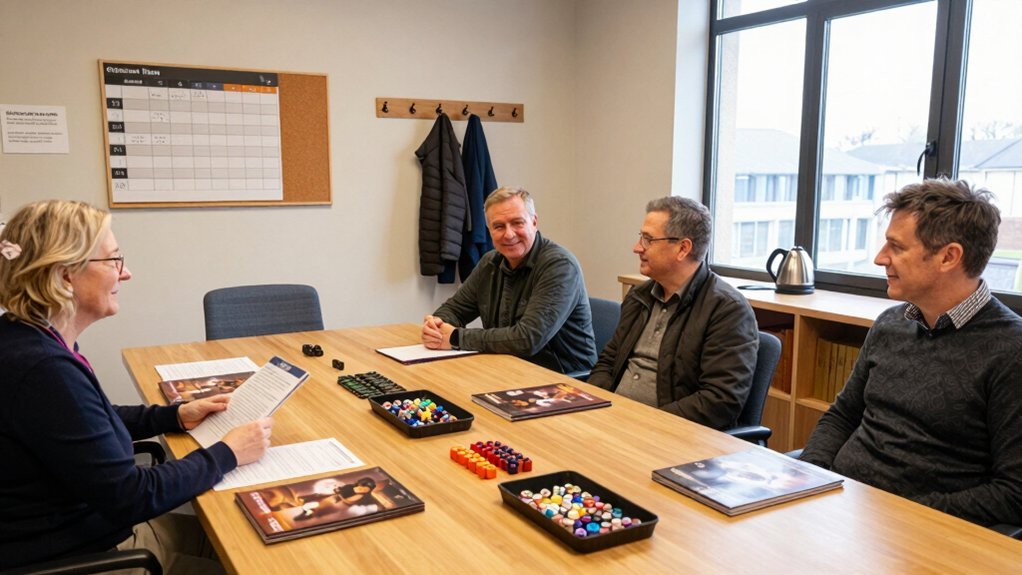
How can you make every tabletop night run smoothly? Start by defining clear session goals: boost regular attendance, teach newcomers, and mix gateway with hobby board games. Publish a schedule consistency—monthly evenings and a biweekly daytime slot—on Meetup, social media, and library calendars so players know when to show up. Draft a brief code of conduct that promotes respect and inclusivity, and assign at least one experienced facilitator per table to keep the flow on track. Record each night’s outcomes—games tried, teaching methods, attendee counts—to fine‑tune future sessions. Encourage attendee contributions: let players bring their own games, volunteer to teach, or help set up. This shared ownership lightens staff load and builds a vibrant, sustainable community Budget Storage Principles.
Design Flexible Scheduling and Easy Sign‑Up
After setting clear expectations, the next step is to build a schedule that works for everyone. Start with flexible scheduling—two meetings a month, one weekend and one Monday night—so you capture varied availability and keep attendee turnout steady. Keep sign-ups low‑friction with a simple online form or an open RSVP at the door, allowing people to join without hassle. Encourage participant‑led teaching and rotations, letting anyone host a game and easing the organizer’s load. Track which days and games draw the biggest crowds, then tweak the calendar and selections based on that data. In addition, consider using a dedicated, reliable bias lighting setup in your gaming space to reduce eye fatigue during long sessions and improve overall comfort for all players. Bias lighting
Establish a Welcoming, Consent‑First Etiquette

Ever notice how a simple “yes or no” rule can set the tone for an entire gaming night? You start with a consent‑first policy, telling everyone they can decline any activity without penalty. Post a concise code of conduct that outlines etiquette, turn‑taking, and conflict‑resolution rules. Greet newcomers, ask for brief introductions, and hand out a “how to join” guide that explains game options and pacing. Offer opt‑in teach‑host roles, inviting volunteers to lead sessions or explain mechanics, then rotate duties so expertise stays modest and inclusive. Emphasize inclusivity by making materials visible and accessible, and remind the group that respecting boundaries is the foundation of a welcoming, fun environment. A well‑structured setup also helps manage consent-based etiquette during lively sessions, ensuring everyone stays comfortable and engaged.
Facilitate Gently to Balance Skill Levels and Noise
Ever wondered how a gentle facilitation can keep both skill gaps and noise levels in check? You can set a calm, welcoming pace by starting with short, easy‑to‑learn games, then gradually introduce more complex titles as the group grows comfortable. Rotate volunteer teaching so everyone shares instruction, easing pressure on the host and boosting accessibility. Lay out clear etiquette for noise and table behavior, designating quiet zones for rule explanations and separate areas for socializing. Provide bite‑sized rule summaries and printable cheat sheets so players can self‑teach between sessions. Face-to-face interaction and a well‑structured layout can further support comfortable group dynamics.
Celebrate Progress With Simple Library Perks

A gentle facilitation that balances skill levels and noise naturally leads to visible momentum, so it’s time to celebrate that progress with simple library perks. You can showcase a dedicated board games corner, post monthly game‑night tallies, and let members earn shout‑outs on the local library wall. Small, repeatable perks—like a “Milestone of” badge or a free snack after a set number of sessions—keep gaming groups motivated without heavy planning. Visible game area signals ongoing activity, and a monthly milestone board helps track collective progress across sessions.
Frequently Asked Questions
Can I Bring My Own Snacks or Drinks to the Gaming Table?
Yes, you can bring your own snacks and drinks, but keep them low‑mess and non‑alcoholic, use sealed containers, and clean up afterward. Check the library’s policy for any specific restrictions.
What if I Need to Leave Early Due to Work Commitments?
You can simply tell the group you have to leave early, thank them for the game, and suggest a quick recap next session; most players understand work commitments and appreciate the heads‑up.
Are There Age Restrictions for Adult Library Gaming Groups?
You won’t find strict age limits; most libraries allow anyone 18 + to join, but they may ask younger players to have a guardian present or restrict certain mature content.
How Can I Suggest a New Game Without Disrupting the Schedule?
You can email the coordinator with a brief pitch, suggest a quick demo during a break, and offer to lead a short trial session after the main game ends, ensuring it fits the schedule.
Do I Need to Purchase My Own Gaming Accessories?
You don’t have to buy everything yourself; the library usually provides basics, but you can bring personal dice, miniatures, or rulebooks if you prefer. Just check the group’s policy first.
In Summary
By keeping expectations clear, making sign‑ups easy, fostering a consent‑first vibe, guiding play gently, and rewarding milestones with library perks, you’ll build a thriving tabletop community. Your group will feel welcomed, balanced, and motivated to keep coming back for more games and shared stories.


Leave a Reply