

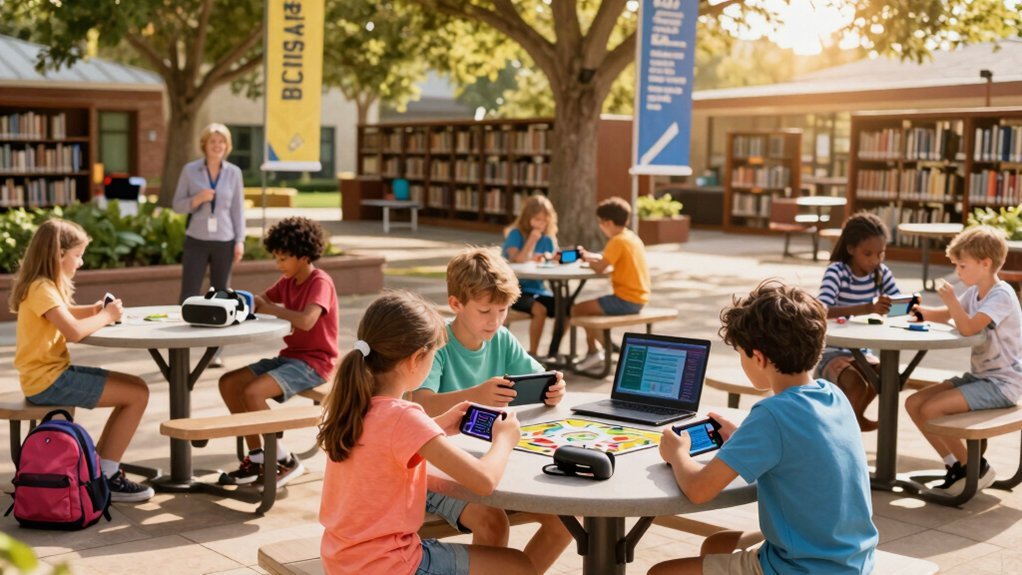
You can host three library gaming workshops that welcome new players: a weekly board‑game night with bite‑sized agendas and rotating classic and modern titles, a beginner TTRPG one‑shot using a streamlined system like Tales of the Valiant with pre‑made characters and a quick session 0, and a co‑op card‑game night featuring games such as Sushi Go! or Pandemic with rule summaries and QR‑coded aids. Each event uses sign‑ups, ergonomic setups, and inclusive vibes to build confidence and community, and if you keep going you’ll discover how to fine‑tune the details.
Plan Your Library Gaming Workshop: Board‑Games Edition
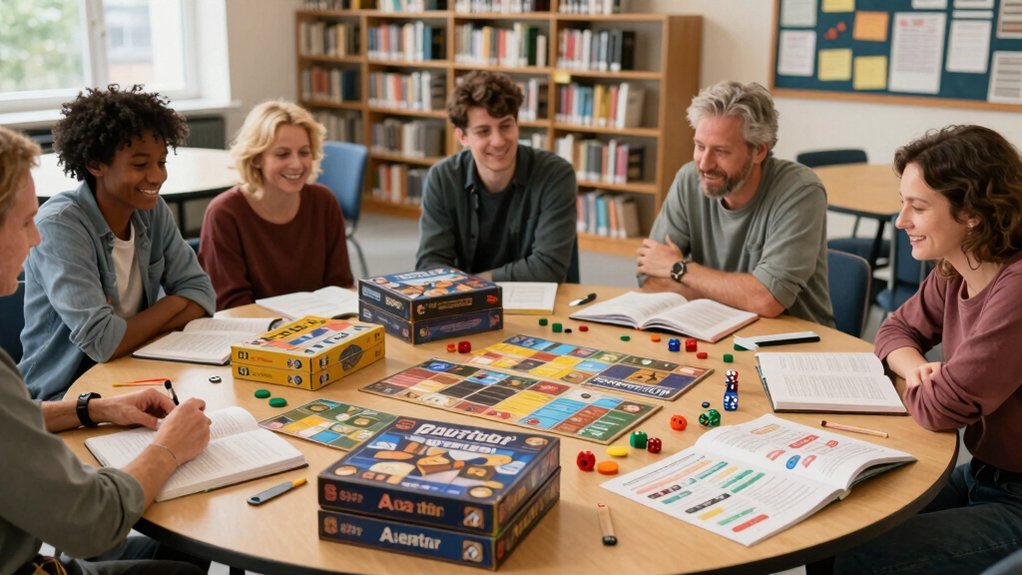
When you schedule a board‑games workshop, set a recurring weekly slot and give each session a clear, bite‑size agenda so new players can jump in quickly. Emphasize ergonomic and space‑saving setup with budget risers to keep the gaming area organized and comfortable space‑saving design. In your Library you’ll feature one game per meeting to keep rules simple, while rotating classic and modern titles that suit beginners. Use sign‑ups to cap participants, assign tables, and track RSVP data for better onboarding. Promote the workshops through Meetup, Facebook, newsletters, and eye‑catching posters, and partner with local game stores for demos. Emphasize accessibility by providing rule‑summaries, visual aids, and a relaxed, non‑competitive vibe. Each session builds community, encourages repeat attendance, and helps newcomers feel confident navigating board games and the library’s gaming space.
Run a Beginner TTRPG One‑Shot in Your Library Gaming Workshop
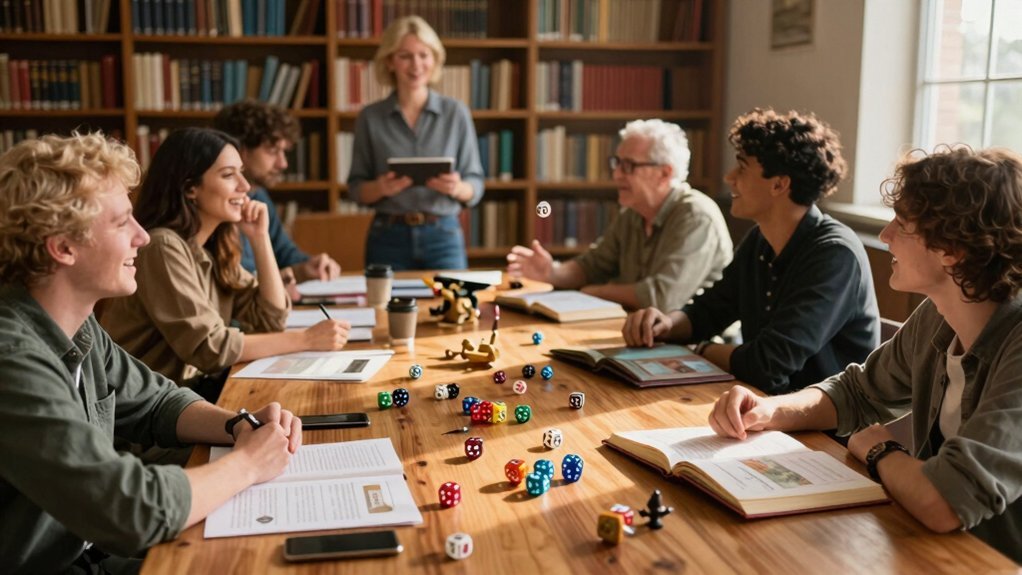
A beginner TTRPG one-shot in your library workshop works best with a streamlined system like Tales of the Valiant, where pre‑made characters and a concise core rulebook let you jump straight into the story. Start with a session 0 to introduce safety tools, clarify expectations, and hand out pre‑generated characters. Set up 2‑4 tables, each with 3‑4 players, and run a single, tight scenario that fits a 2‑4‑hour window. Your role as Game Master is to guide narrative, explain rules, and foster inclusive engagement, not dominate play. Provide dice, character sheets, and simple maps to boost accessibility. Promote the event through library channels—Meetup, posters, email—to draw newcomers and nurture community gaming. Edge fence design
Create an Engaging Co‑op Card‑Game Night for First‑Time Players
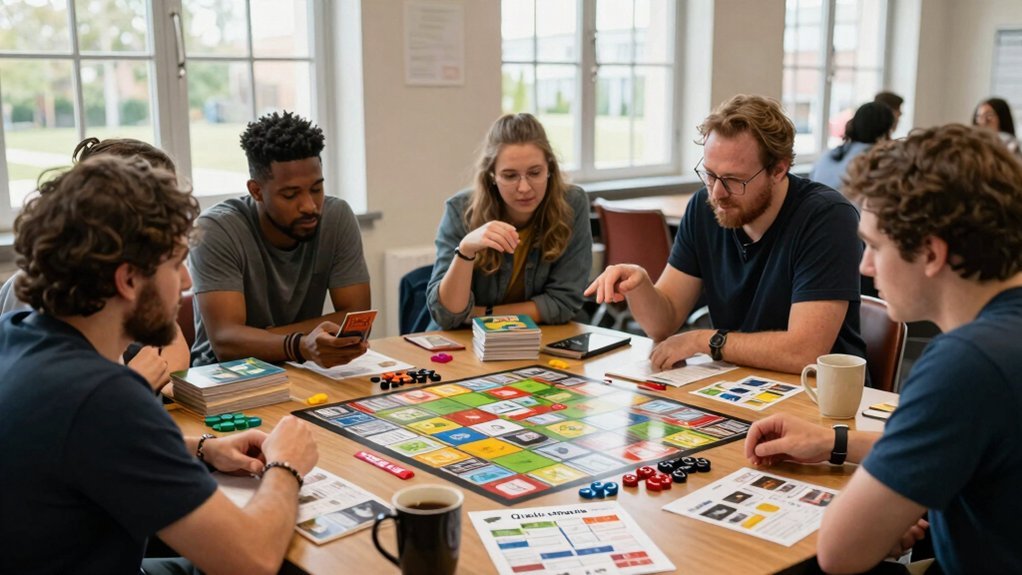
Ready to turn a casual evening into a confidence‑building, teamwork‑focused game night? You’ll pick a cooperative card‑game like Sushi Go! or Pandemic, keep the group size at 4–8 beginners, and set up a quick‑start station with rule summaries and a QR code for extra teaching aids. The flow moves from a light opener to a mid‑length coop, then ends with a debrief that reinforces teamwork and inclusivity.
- Quick‑Start Setup – Lay out handouts, explain core mechanics, and let the first‑time players dive in together.
- Progressive Play – Begin with a simple round, transition to the featured cooperative game, and keep momentum high.
- Debrief & Feedback – Gather reflections, highlight collaborative moments, and suggest post‑event practice for continued learning.
Incorporate a quick reference guide that helps new players recall key collaboration strategies and roles, which can be distributed as a printable resource printable quick guide.
Frequently Asked Questions
What Are the 10 Rules of a Library?
You must respect quiet, return books on time, keep food out, use cards responsibly, follow sign‑up limits, protect collection, obey staff instructions, maintain personal space, avoid disruptive behavior, and report damage.
What Are Library Related Activities for Students?
You can join weekly game nights, attend onboarding sessions, discuss rules, explore tabletop demos, watch tutorials, sign up for tournaments, participate in role‑play workshops, borrow rulebooks, and collaborate on community challenges.
What Are the 10 Most Popular PC Games?
You’ll find The Witcher 3, Elden Ring, Cyberpunk 2077, Dota 2, League of Legends, CS:GO, Minecraft, Grand Theft Auto V, Valorant, and Among Us topping the PC charts right now.
What Are the Benefits of Gaming in Libraries?
You’ll sharpen critical thinking, boost strategic skills, and make new friends while enjoying low‑cost, inclusive fun. Libraries expose you to diverse games, foster community, and keep your mind active and engaged.
In Summary
You’ve got the blueprint to turn your library into a gaming hub that welcomes newcomers with open arms. By mixing a board‑game crash course, a low‑key TTRPG one‑shot, and a cooperative card‑game night, you’ll cater to every taste and skill level. These workshops will spark curiosity, build confidence, and keep patrons coming back for more. Now, roll the dice, shuffle the cards, and watch your community thrive.

Leave a Reply